World Ozone Day 2026: Uganda Signs a Pledge for a Cooler Planet at Kyambogo University

Thirty-nine years after the world agreed to save the ozone layer, Uganda gathered at Kyambogo University to ask what comes next.
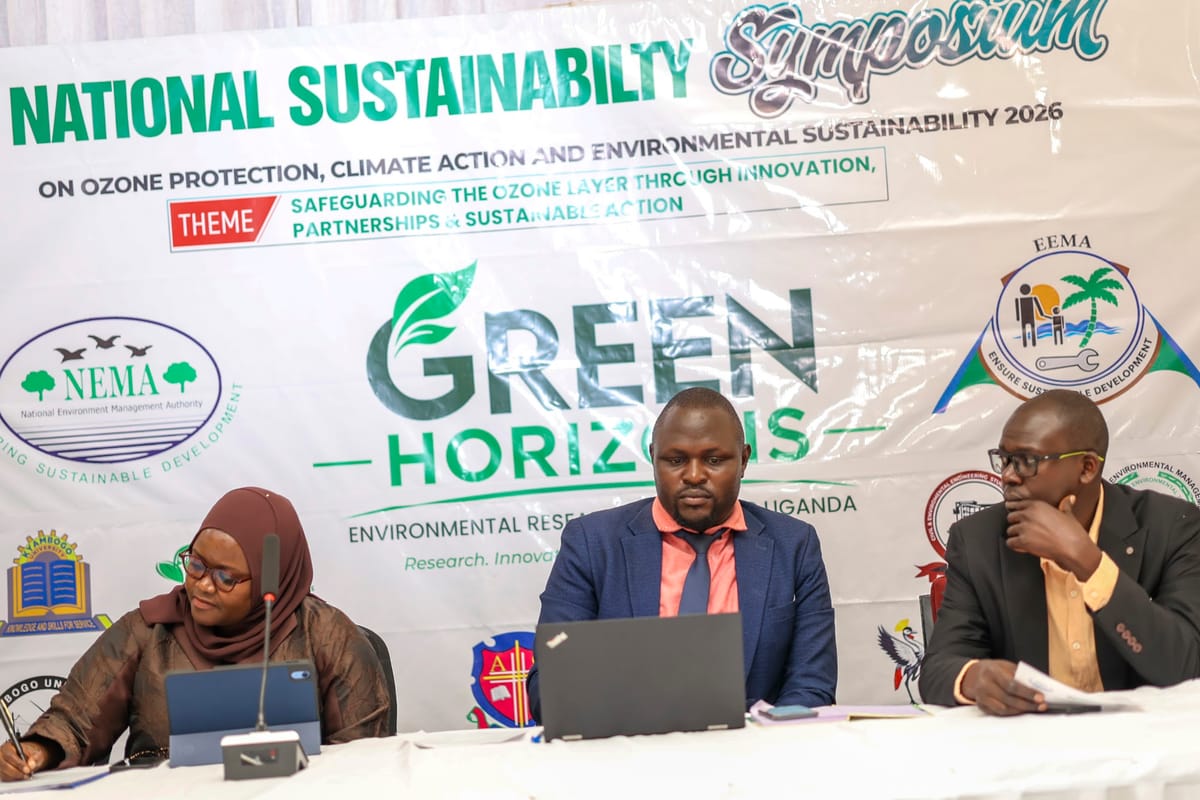
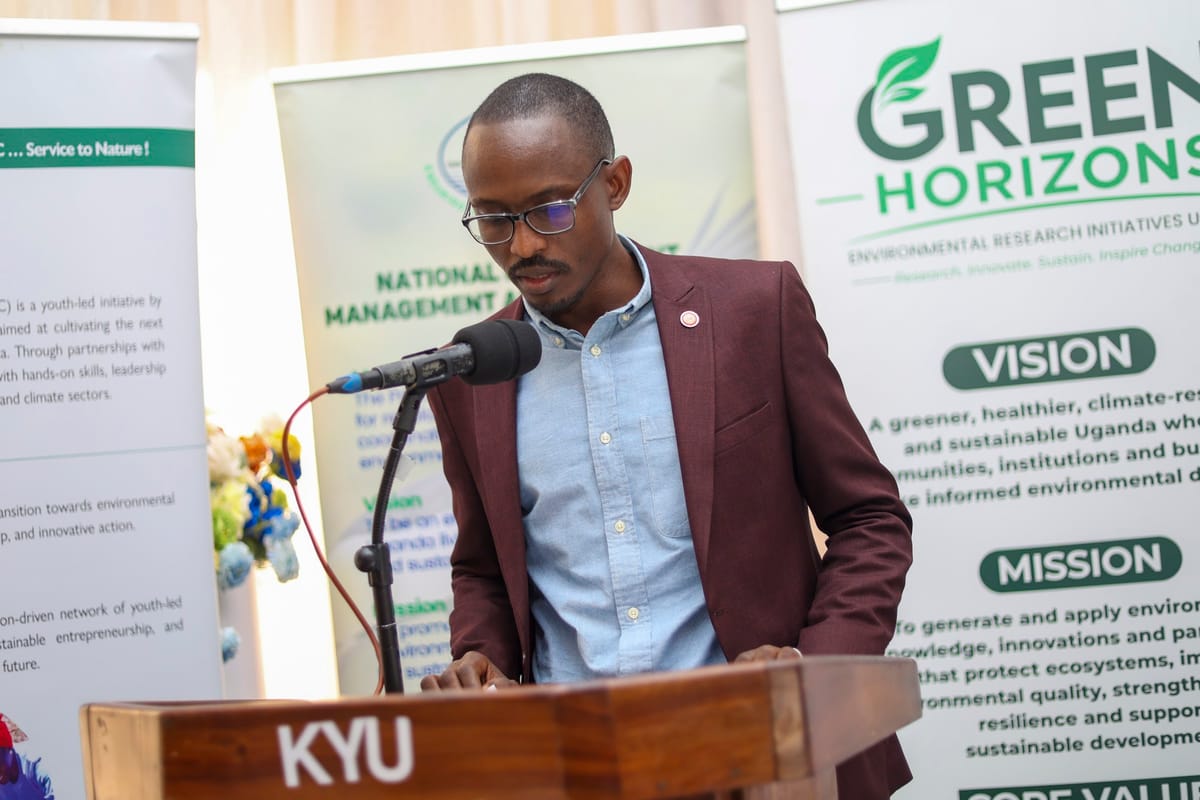
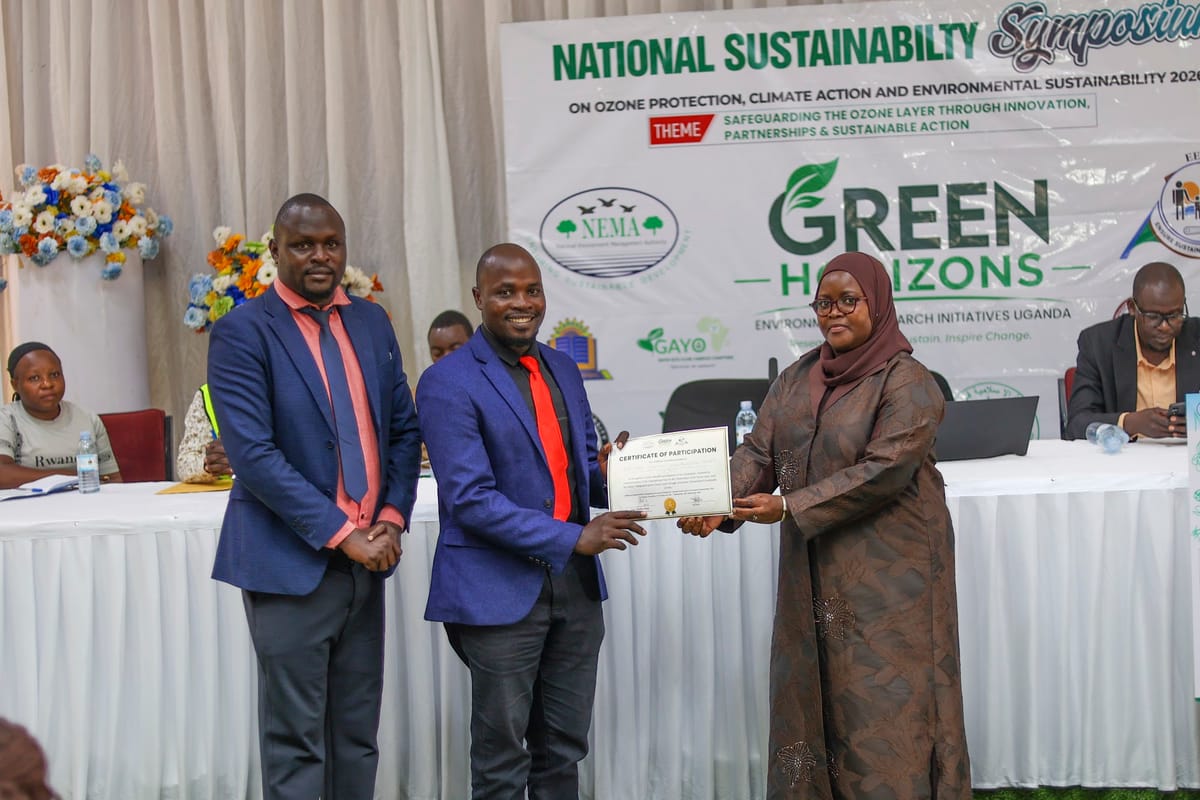
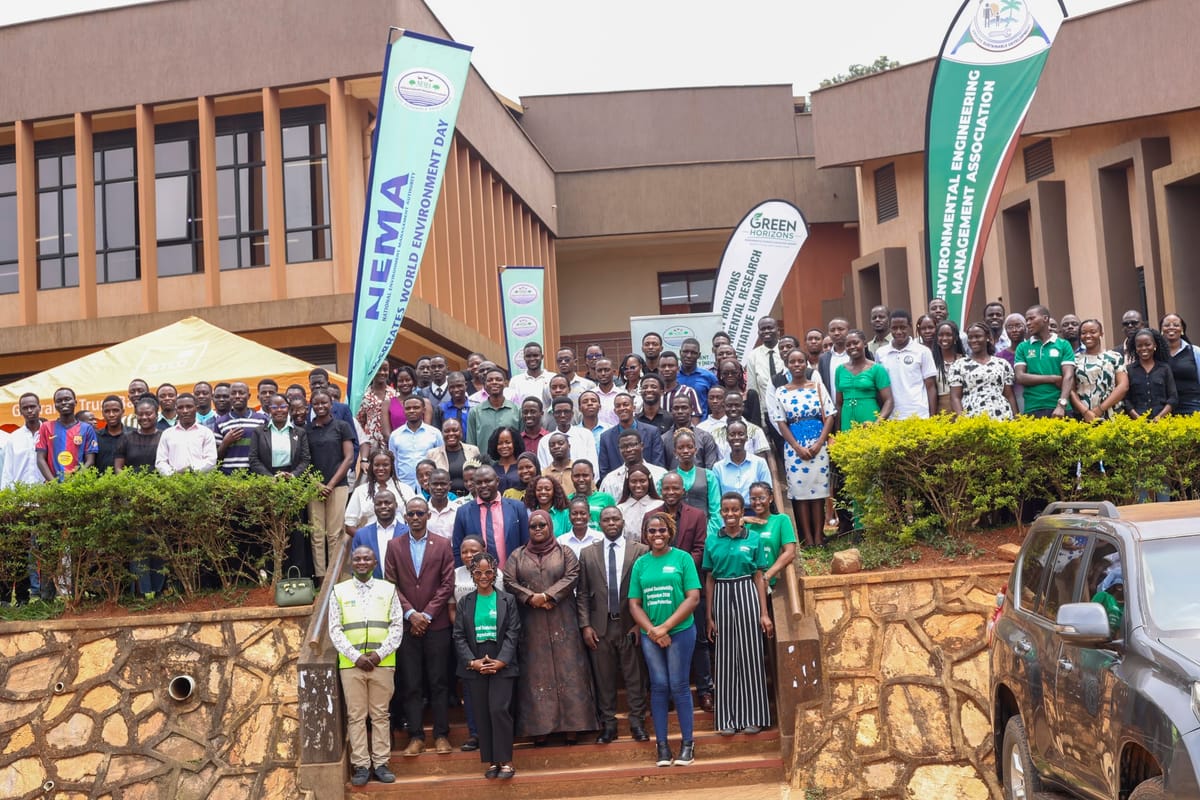
On 16 September 2026, Green Horizons Environmental Research Initiative Uganda (GHERI-UG), in partnership with the National Environment Management Authority (NEMA), marked World Ozone Day by convening the National Sustainability Symposium on Ozone Protection, Climate Action and Environmental Sustainability 2026 at Kyambogo University, Kampala.
The symposium was held under this year's World Ozone Day theme, "Global Action for a Cooler Planet: Celebrating 10 Years of Sustainable Cooling under the Kigali Amendment to the Montreal Protocol." It brought the regulator, industry, development partners, academia, youth and civil society together to take stock of Uganda's progress and chart a path toward climate-friendly cooling.
"Not merely a celebration"
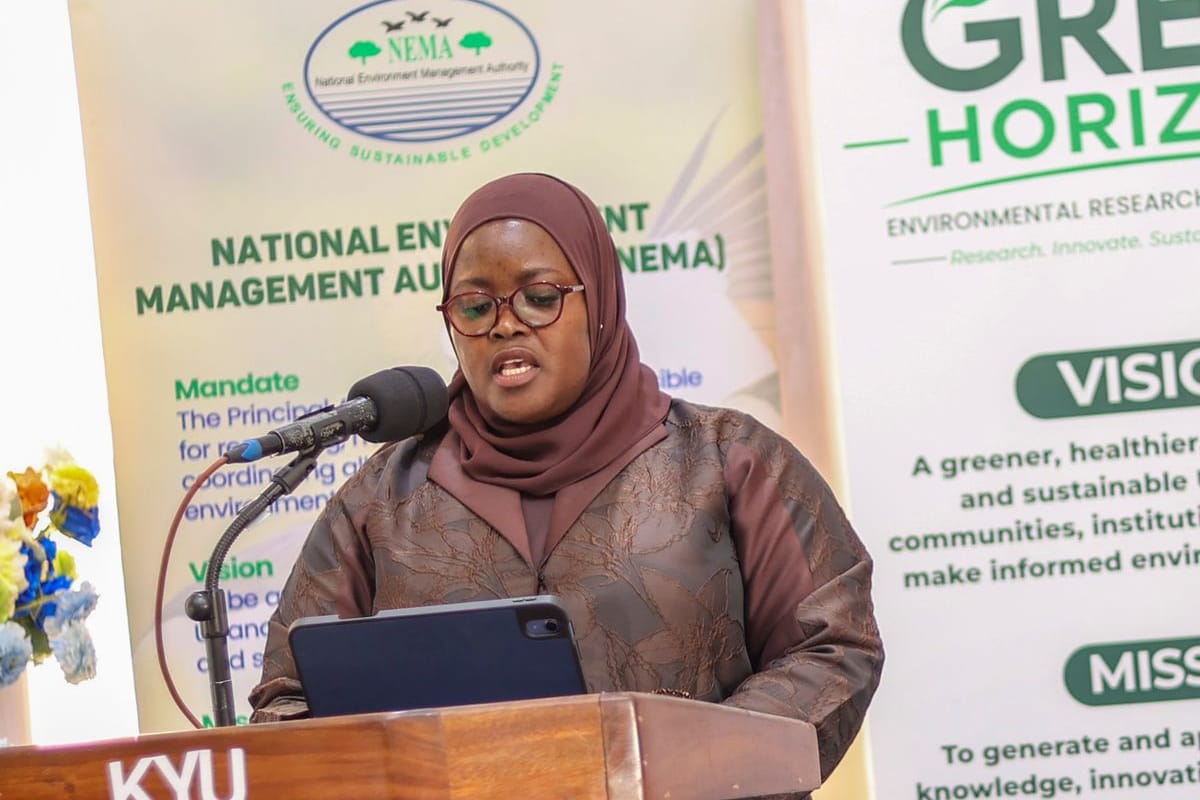
The Guest of Honour, Eng. Hajjat Leila Gonasa, Commissioner for Environment Compliance at NEMA, set the tone for the day. World Ozone Day, she reminded participants, is not merely a celebration but a continued commitment to protecting the ozone layer. She called on government, industry, academia, civil society and young people to carry that work forward together.
Who was in the room
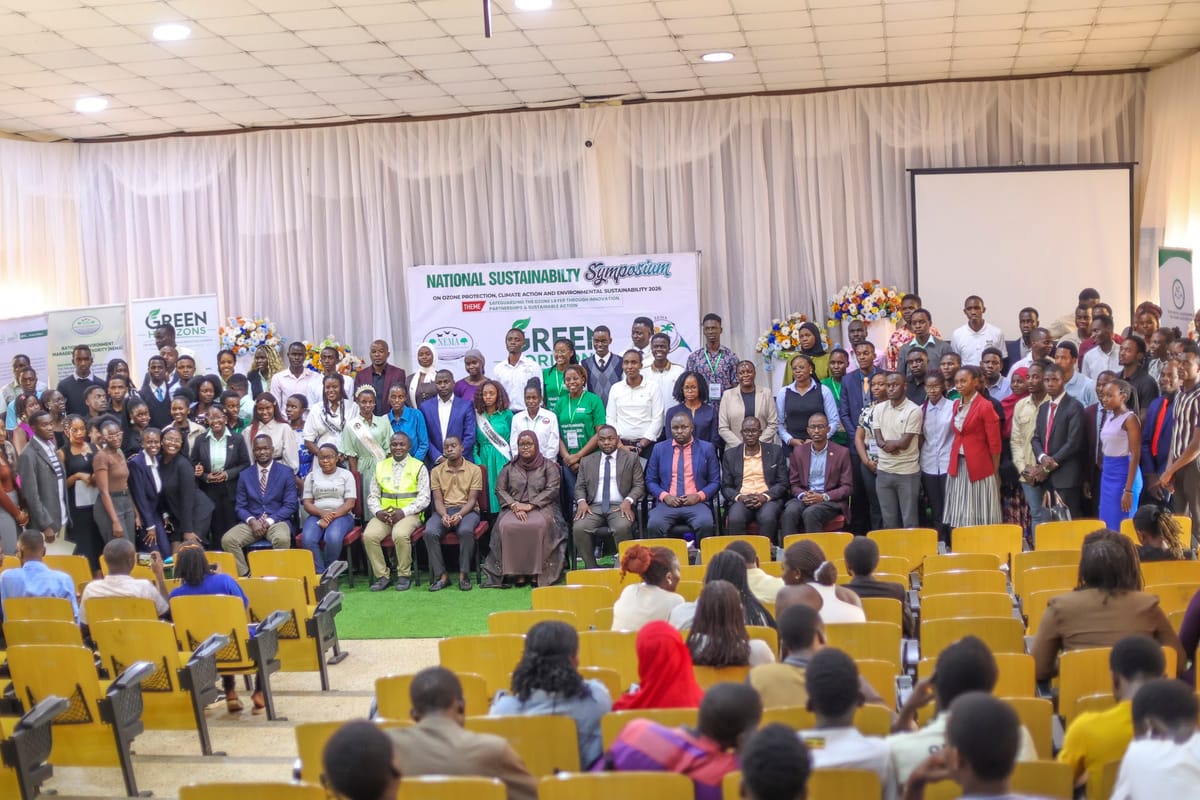
The symposium drew partners from across Uganda's environmental, industrial and academic communities:
- Regulator: the National Environment Management Authority (NEMA)
- Industry and development partners: the Uganda National Association of Refrigeration and Air Conditioning (UNARA), the Environmental Engineering Management Association (EEMA), GIZ and Hima Cement
- Academic institutions: Kyambogo University, Makerere University, Uganda Christian University and the Islamic University in Uganda
- Youth and student groups: the Green Africa Youth Organization (GAYO), the Makerere University Conservation Biology Association (MUCOBA) and others
- Civil society: GHERI-UG and fellow civil society partners
Why 16 September matters
On 16 September 1987, the world adopted the Montreal Protocol, now widely regarded as the most successful environmental agreement in history. In 2016, the Kigali Amendment extended the Protocol to phase down hydrofluorocarbons (HFCs). HFCs do not deplete the ozone layer, but they are powerful greenhouse gases. Ten years on, Kigali is proof that protecting the ozone layer and fighting climate change go hand in hand.
For Uganda, that transition runs straight through the refrigeration and air-conditioning sector, which keeps homes, hospitals, cold chains and industry running.
What we discussed
Through addresses, presentations and panel discussions, the programme explored practical ways to protect the ozone layer while advancing climate resilience and sustainable development. Four themes stood out:
- Greener cooling practices: low-global-warming-potential refrigerants, energy-efficient systems, safe recovery and recycling of refrigerants, and a skilled, certified technician workforce.
- Partnerships that deliver: the regulator, industry, academia, development partners and civil society working together toward Uganda's commitments under the Montreal Protocol and the Kigali Amendment.
- Action in communities: taking ozone and climate awareness to households, businesses and local communities.
- Youth leading the way: university students and youth groups presented on the role of the next generation in Uganda's long-term environmental goals.
A pledge, not just a programme
The defining moment of the day came when stakeholders and participants signed the Ozone Protection Solidarity Pledge, committing to concrete action to protect the ozone layer and the climate. It put the Guest of Honour's message into practice: World Ozone Day is a continued commitment, not a one-day celebration. The pledge turns a day of dialogue into shared responsibility, and GHERI-UG will follow up with signatories to track progress.
Four takeaways
- A commitment, not just a celebration. The pledge binds partners to sustained action throughout the year.
- Ozone protection is climate protection. Every refrigerant leak avoided and every efficient cooling system installed helps both the ozone layer and the climate.
- Innovation and skills drive change. Cleaner technologies and well-trained technicians are essential to Uganda's compliance and to public safety.
- Partnerships multiply impact. The Montreal Protocol succeeded because the world acted together, and the same spirit is needed at the national, institutional and community levels.
A word from our Executive Director
“We are grateful to NEMA, EEMA, our partners, academic institutions and the young people who joined us. The Montreal Protocol proves that when the world acts together, it can heal the planet. Ten years after the Kigali Amendment, Uganda has an opportunity to lead in sustainable cooling. That means training our technicians, adopting cleaner technologies and placing research at the heart of policy. GHERI Uganda is committed to driving that change.”
What comes next
GHERI-UG thanks the Guest of Honour, Eng. Hajjat Leila Gonasa, and the entire NEMA team. We also thank EEMA, UNARA, GIZ, Hima Cement, our partner universities, GAYO, MUCOBA and every participant who made the symposium a success and signed the pledge. The insights from the day will shape:
- our continued research and advocacy on ozone protection, climate action and sustainable cooling
- follow-up with signatories on the commitments made in the pledge
- an annual symposium series that builds on this year's dialogue
Together, we can build a cooler, safer and more sustainable Uganda.